ICOMIA Boating Sustainability Hub
A greener course for the global recreational marine industry.
The ICOMIA Boating Sustainability Hub brings together the research, standards, initiatives and member-led case studies shaping a lower-impact future for boating — from energy and materials to biodiversity, climate and coastal communities.
Sustainability focus areas
Dive into ICOMIA’s dedicated workstreams covering the key environmental and social priorities for the recreational marine industry.
Climate Change
Decarbonisation pathways, emissions and the industry’s response to a changing climate.
Explore Climate →Energy
Propulsion technologies, renewable fuels, electrification and energy efficiency.
Explore Energy →Materials & Manufacturing
Sustainable materials, circular design, production and end-of-life recycling.
Explore Materials →Biodiversity
Protecting marine ecosystems, habitats and species where boating takes place.
Explore Biodiversity →Posidonia Oceanica & Yacht Moorings
Safeguarding seagrass meadows — critical nursery habitats — through responsible mooring.
Explore Posidonia →Social / Community Impact
Access to boating, workforce, coastal communities and inclusive participation.
Explore Social Impact →Education, Research & Innovation
Studies, training and innovation driving a lower-impact future for boating.
Explore Research →One industry, one ocean, one shared responsibility.
ICOMIA — the International Council of Marine Industry Associations — is the global voice of the recreational boating sector. The Sustainability Hub is our central reference point for the environmental work our members are undertaking across Europe, the Americas, Asia-Pacific and beyond.
The health of the ocean is the future of boating.
Recreational boating depends on clean water, thriving biodiversity and resilient coastlines. Protecting them is both an environmental imperative and a commercial one — for shipyards, marinas, engine and equipment makers, and the millions who take to the water each year.
Cleaner propulsion
Electric, hybrid, hydrogen, HVO and sustainable marine fuels are all in scope. ICOMIA’s Propelling Our Future study compares them across full lifecycles, not just tailpipes.
Circular materials
From bio-composites to end-of-life recycling programmes, members are re-engineering how boats are built, repaired and retired to close material loops.
Biodiversity & water
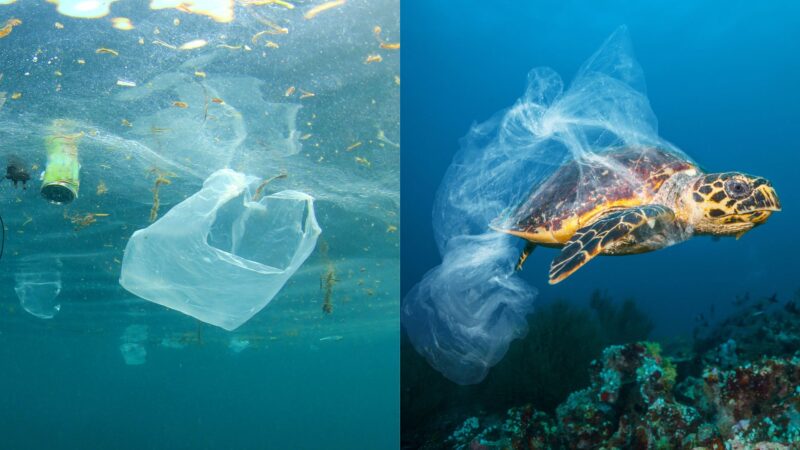
Antifouling innovation, ballast and greywater management and seagrass-friendly mooring reduce the daily footprint of boating on coastal ecosystems.
What the recreational marine sector is up against.
Meaningful progress starts with an honest read of the pressures. These are the environmental and regulatory challenges ICOMIA members are addressing collectively.
Decarbonising a diverse fleet
Recreational boats span everything from 3-metre tenders to 100-metre superyachts. No single propulsion pathway fits all — technology decisions must be lifecycle-based and use-case specific.
End-of-life fibreglass hulls
Glass-reinforced plastic (GRP) hulls built through the 1970s and 1980s are reaching retirement. Cost-effective recycling and take-back infrastructure remains uneven across regions.
Regulatory fragmentation
Emissions, antifouling and end-of-life rules differ between the EU, US, UK and Asia-Pacific. ICOMIA works to harmonise standards so innovation can scale.
Coastal pressure
Marinas and anchorages sit at the edge of some of the most sensitive habitats on the planet — seagrass, coral, salt marsh. Managing that interface is a shared responsibility.
Convening the global marine industry on sustainability.
ICOMIA acts as the unifying platform where national associations, manufacturers, shipyards and research bodies collaborate on the standards, evidence and advocacy the industry needs.
Standards
Contributing to ISO technical committees governing small craft, engines, safety and environmental performance.
Research
Commissioning independent, peer-reviewed studies such as Propelling Our Future to inform policy and product decisions.
Advocacy
Representing the sector at the IMO, European institutions and national regulators to shape workable environmental rules.
Knowledge
Sharing member best practice across regions through committees, working groups and open resources like this Hub.
Sustainability isn’t a project for our industry — it’s the operating condition. ICOMIA’s role is to make sure the evidence, standards and collaboration are in place so members can act with confidence.
The programmes shaping industry practice.
Flagship ICOMIA workstreams that translate sustainability commitments into standards, tools and evidence members can use today. Use the search and filters below to find what’s relevant to you.
Propelling Our Future
Independent lifecycle assessment of nine propulsion pathways across recreational boat categories — the sector’s most comprehensive evidence base on decarbonisation.
End-of-Life Boats
Working with national associations to scale take-back schemes and recycling pathways for GRP hulls, batteries and composite components.
Marina & Yard Standards
Guidance covering waste, effluent, hazardous materials and biodiversity for marinas and refit yards, aligned with ISO 14001 practice.
Education, Research & Innovation
Curated signposting to research on microplastics, ocean warming, biodiversity loss and coastal management.
Social & Community Impact
Highlighting how the boating industry supports coastal economies, jobs and youth pathways into marine trades.
Superyacht Sustainability
Coordinated work with the ICOMIA Superyacht Refit Group on materials, energy and waste standards for the large-yacht sector.
No initiatives match your search. Try a different keyword or clear the filters.
A decade of collective progress.
Selected milestones from ICOMIA and its members on the road to a lower-impact recreational marine industry.
- 2015
ICOMIA Sustainability Committee formalised
National associations agree a shared workplan on emissions, materials and end-of-life.
- 2018
Boat recycling pilots scale
Coordinated take-back trials advance in France, the Nordics and the United States.
- 2022
Propelling Our Future launches
Independent LCA study published, providing evidence across nine propulsion pathways.
- 2024
Sustainability Hub established
Single reference point for members’ initiatives, research and case studies goes live.
- 2026
Standards alignment programme
ICOMIA deepens engagement with ISO TC 188 on environmental performance metrics for small craft.
Explore the ICOMIA library.
Signposts to relevant ICOMIA Shop categories and curated resources across the wider ICOMIA library. Search or filter to jump straight to what you need.
ICOMIA Shop Categories
Visit the ICOMIA Shop →ICOMIA Resources
Browse all resources →No resources match your search. Try a different keyword or clear the filters.
Why engage with the Sustainability Hub.
The Hub is designed for members, regulators, media and researchers who need a trusted, curated view of what the recreational marine industry is doing on the environment — and where it’s heading.
- Independent, evidence-based research you can cite
- Harmonised standards references across jurisdictions
- Member case studies that show what actually works
- Direct links to specialist committees and working groups
- A single contact point for collaboration proposals
Industry impact in practice.
Snapshots of member-led work already delivering measurable environmental gains across the recreational marine value chain.
APER · France
The Association pour la Plaisance Éco-Responsable operates one of the world’s most established end-of-life boat programmes, dismantling and recycling thousands of hulls.
NMMA · United States
The National Marine Manufacturers Association leads on ISO-aligned emissions work and clean-boating certification for marinas across North America.
British Marine · United Kingdom
Coordinating industry input on antifouling regulation, coastal biodiversity and clean-boating operations across UK harbours and inland waterways.
IBI · International
The International Boat Industry platform amplifies ICOMIA research and member sustainability case studies to a global trade audience.
ICOMIA Superyacht Refit Group
Eleven leading refit shipyards from Genoa to Jacksonville aligning on standardised contracts and shared sustainability practice for large-yacht work.
Sail Racing & Research
Partnerships with ocean-racing programmes generate live environmental data from remote seas — feeding back into ICOMIA’s research signposting.
Frequently asked questions.
Direct answers to the questions we hear most often from members, media and policymakers.
What is the ICOMIA Boating Sustainability Hub?
Who is ICOMIA?
How does recreational boating affect the environment?
What is Propelling Our Future?
How can my company contribute to the Sustainability Hub?
Is the Hub open to non-members?
Continue exploring.
Complementary ICOMIA groups, committees and publications.
Talk to the ICOMIA Secretariat.
For membership, sustainability submissions, media enquiries or standards collaboration, reach the ICOMIA team directly. We respond within two working days.
- AddressMarine House, Thorpe Lea Road, Egham, Surrey TW20 8BF, United Kingdom
- Emailinfo@icomia.org
- Phone+44 (0)1784 223700
- Webicomia.org